
Header Skipped.
Welcome to the HealthSpan Lab
The HealthSpan Lab is committed to advancing our understanding of lifelong health. We study the biological, behavioral, and environmental factors that influence healthy aging and long-term function. Our research aims to uncover early markers of decline, identify mechanisms of resilience, and develop interventions that can prevent disease before it begins. By generating evidence across systems and stages of life, we work to improve health outcomes and promote lifelong well-being.
In the News
-
Mass shooter said ‘Football gave me CTE.’ Are youth athletes at risk? | LA Times
July 31, 2025
-
As denials pile up, NFL settlement ignores ‘critical’ tests | The Washington Post
August 20, 2024
-
Collective Force of Head Hits Increases Odds of CTE, Study Says | The New York Times
June 20, 2023
-
Can you become a "super-ager"? | Harvard Health
June 1, 2024
About Us
At the HealthSpan Lab, we take a systems-level approach to understanding how health is maintained, disrupted, and restored. Our research is grounded in the belief that long-term well-being is shaped by a dynamic interplay of biology, behavior, and environment. We aim to uncover the mechanisms behind resilience, recovery, and disease risk, particularly in conditions such as chronic traumatic encephalopathy (CTE), amyotrophic lateral sclerosis (ALS), and other potential long-term effects of traumatic brain injury. From investigating molecular markers to analyzing health outcomes in diverse populations, we work across disciplines to generate insights that inform prevention, early detection, and personalized interventions. By bridging foundational science with real-world impact, we aim to extend not just lifespan, but healthspan.
-

CTE Risk Unveiled Beyond Concussions in Football | New Harvard Study
-
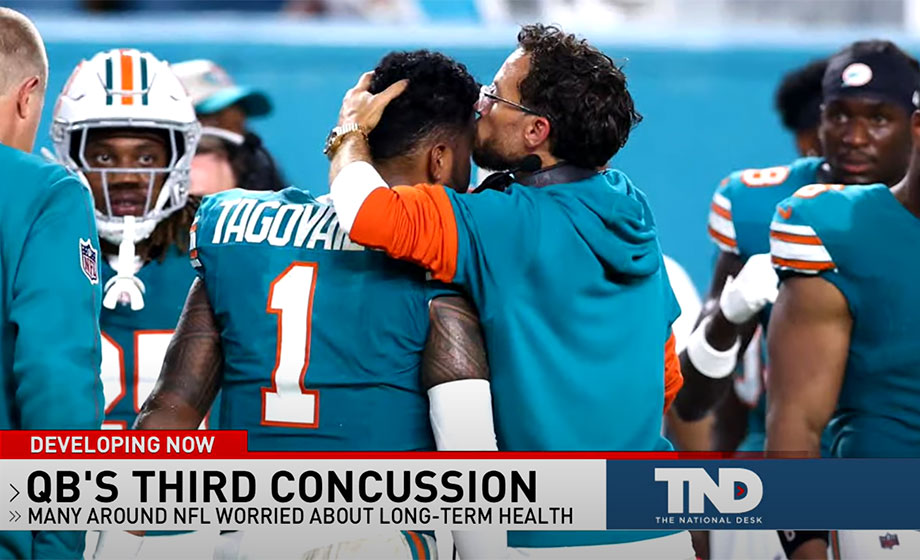
Concussion Specialist Explains Lasting Impacts After Dolphins QB Tua Tagovailoa's 3rd Concussion
From the National Desk -

Free VR Concussion Education | Scripps National News
-
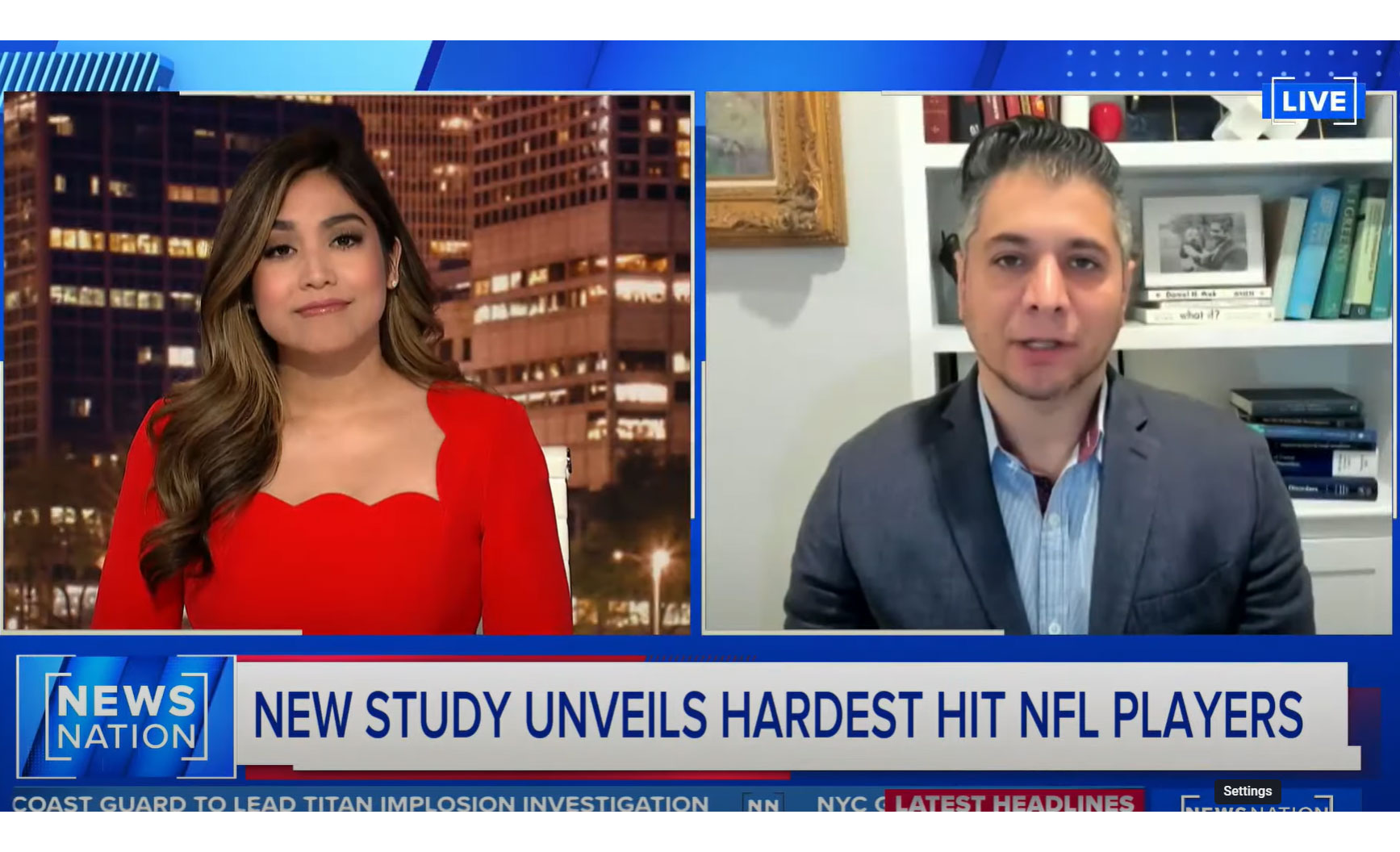
Study: Brain injuries in NFL players connected to 'total force' to head | NewsNation Prime
-

Harvard Medical Professor on Head Impact Monitoring
Our Team
The HealthSpan Lab is made up of a diverse team of clinicians, scientists, and public health researchers who work across disciplines to advance brain and overall health. Through innovative studies, community engagement, and education, the lab aims to drive meaningful improvements in long-term health and well-being.
-
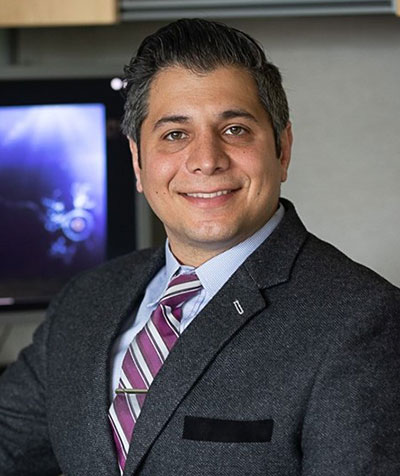
Daniel Daneshvar, MD, PhD
Chief | Division of Brain Injury Rehabilitation
Vice President of Medical Staff | Spaulding Rehabilitation
Director of Training | Rehabilitation Outcomes Center at Spaulding
Co-Director | Mass General Brigham Sports ConcussionDr. Daneshvar conducts research on the long-term effects of moderate-severe traumatic brain injury, concussion, and repetitive head impacts, including chronic traumatic encephalopathy (CTE) and amyotrophic lateral sclerosis. Dr. Daneshvar has authored and co-authored over 100 scientific papers including in JAMA, Nature Communications, and Brain, for which he received the 2024 National Neurotrauma Society Rising Star Award. His work has been featured broadly including in the New York Times, the Wall Street Journal, NPR, and ESPN.
He also founded Team Up Against Concussions, the first scientifically validated concussion education program for kids, for which he received the 2016 Excellence in Public Health award from the United States Public Health Services. He is the Director of the Institute for Brain Research and Innovation at TeachAids, which created CrashCourse: a free, scientifically validated virtual reality and computer-based concussion education program, for which he received the 2021 Dean’s Community Service Award from Harvard Medical School.
Dr. Daneshvar received his SB from the Massachusetts Institute of Technology, and completed his MD/PhD at the Boston University CTE Center, where his research resulted in the first dissertation in history to study CTE. He completed residency at Stanford University before joining the faculty at Harvard Medical School.
-
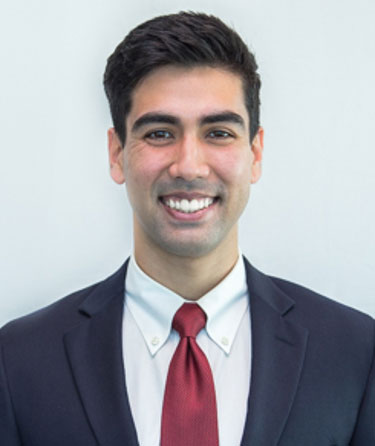
Dylan Combs, MD
Resident Physician
Dr. Dylan Combs is a resident physician in the Department of Physical Medicine & Rehabilitation at Spaulding Rehabilitation Hospital/Harvard Medical School. He majored in sociology at Harvard University, where he was a member of the division 1 baseball team. He then returned home to attend medical school at the University of Hawai’i. Dr. Combs’s research interests lie in helping athletes of all levels participate safely in sports through a better understanding of concussions and the prevention of repetitive head trauma, as well as the diagnosis and treatment of musculoskeletal injuries in active individuals of all ages.
-
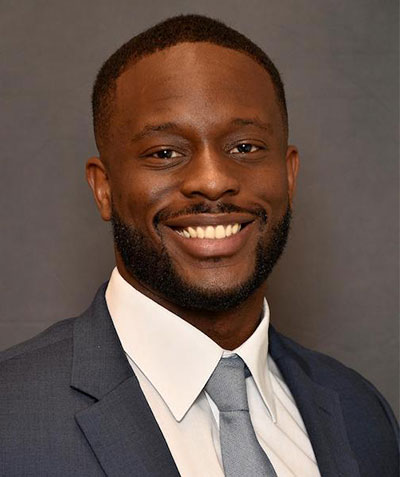
Eghosa Edogun, MD
Resident Physician
Dr. Eghosa Edogun is a resident physician in the Department of Physical Medicine and Rehabilitation at Spaulding Rehabilitation Hospital/Harvard Medical School. He earned his undergraduate degree in Molecular, Cellular, and Developmental Biology from the University of California, Santa Cruz. He went on to complete his medical degree at the David Geffen School of Medicine at UCLA, where he pursued clinical and research experiences tailored to his interests in rehabilitation and musculoskeletal disorders. His academic and research interests center on the intersection of traumatic brain injury, pain, and sports-related exposure. He is particularly interested in how repetitive head impacts influence long-term pain perception, the development of chronic pain syndromes, and the role of biopsychosocial factors in shaping outcomes for athletes and patients with TBI.
-
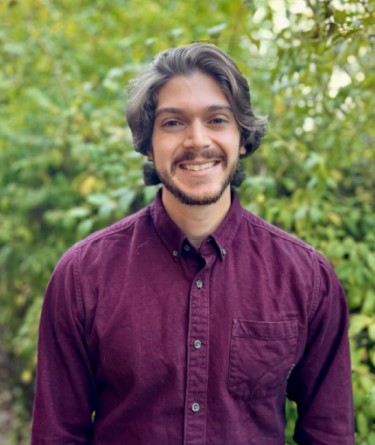
Evan Feigel, PhD, ACSM-CPT
Research Fellow
Dr. Feigel is a Post-Doctoral Research Fellow in HealthSpan Lab. He received his B.S. in Biomedical Science from Rochester Institute of Technology and went on to earn his M.S. in Exercise Science at Syracuse University, followed by his Ph.D at the University of Pittsburgh in Rehabilitation Science. During his doctoral training, his research focused on quantifying the biological cost of adaptation to physical and psychological stress exposure (allostatic load) using multi-modal (i.e., biomarker, wearable-based) approaches, and addressing their influence on physical performance, psychological well-being, and musculoskeletal health in military personnel. His previous publications address several human performance-related topics, such as human stress regulation, allostatic load, musculoskeletal injury risk, wearable technology, and physiological adaptations to physical training interventions. He aspires to expand upon his training by examining the influence of allostatic loading on the risk of neurodegenerative diseases in former collision athlete and military veteran populations.
-
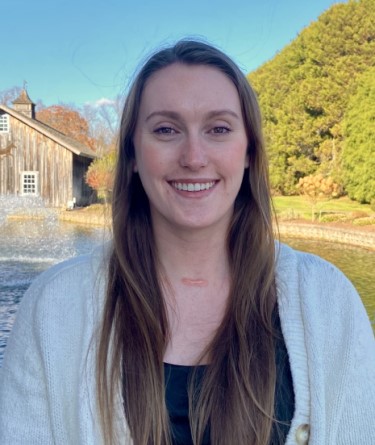
Brenna Finegan, MPH
Clinical Research Coordinator
Brenna is a Clinical Research Coordinator for multiple studies in the HealthSpan Lab, working in study recruitment, intervention, and data analysis. She received her bachelor’s degree in biology with a minor in chemistry from the University of Vermont. During her time working in a variety of clinical settings post-graduation, she developed a keen interest in how patient education, health disparities, and public health programs impact health outcomes. Following her graduation from the University of Vermont and these work experiences, Brenna earned her Master of Public Health from the University of Connecticut. She completed a capstone project in which she researched postpartum maternal health outcomes, evaluated the mental health resources available to postpartum patients on Medicaid in Connecticut, and used the results to create an informational pamphlet for patients. Brenna hopes to continue to improve patient education efforts and health outcomes through her work with the studies conducted in the HealthSpan Lab.
-

Shonali Gaudino, OT, BCG
Administrative Director
An occupational therapist with clinical experience in gerontology and skilled nursing, Shonali has worked in various capacities across Spaulding for over 10 years. She has extensive institutional knowledge about Spaulding and post-acute care rehabilitation. She recently facilitated the implementation of the Epic electronic health record across the network's four inpatient and 25+ outpatient facilities, and developed programs to educate staff on this critical source of our patient data.
-
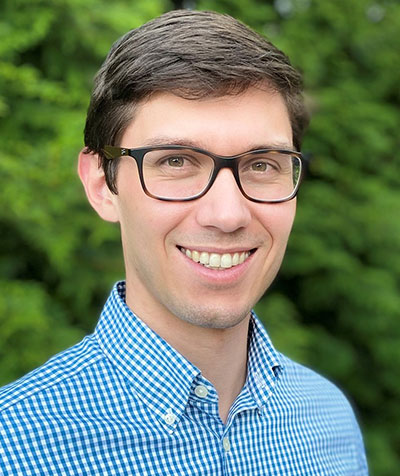
Philip Henson, MD
Resident Physician
Dr. Henson is currently a resident physician in the Department of Physical Medicine & Rehabilitation at Spaulding Rehabilitation Hospital/Harvard Medical School. He majored in Biomedical Engineering at Dartmouth College, competed internationally in rowing, worked as a software developer for a medical device start-up in San Francisco, performed digital phenotyping research at Beth Israel Deaconess Medical Center in Boston, and attended medical school at The Icahn School of Medicine at Mount Sinai. His varied personal, academic, and research experiences have helped to shape his interest in predictive analytics, particularly in the analysis of longitudinal wearable and sensor data to more accurately predict health outcomes and recovery trajectories following injury/disease. He has authored and co-authored over 40 papers and presented at various national and international conferences.
-
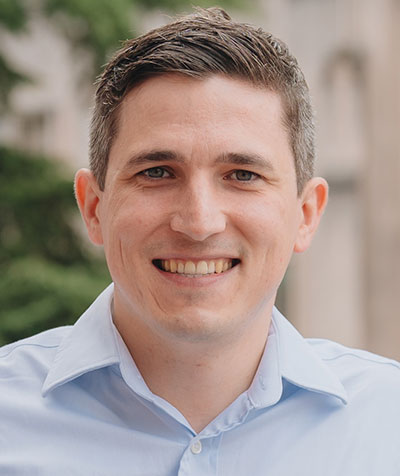
Christopher Lewis, MD, MS
LeaHD LHS Scientist
Dr. Lewis is an Assistant Professor in the Department of Rehabilitation Medicine at the University of Washington. Dr. Lewis was selected to participate in the 2025-2027 LeaHD Learning Health System (LHS) Scientist where he is partnering with the HealthSpan Lab to identify disease and patient characteristics associated with recovery of patients with TBI and SCI. He also serves as the Specialty Chief Clinical Information Officer in Rehabilitation Medicine where his work leverages health information technology to build a LHS for the rehabilitation services provided across the UW Medicine regional clinical sites. Clinically, Dr. Lewis practices cancer rehabilitation at UW Medicine and the Fred Hutchinson Cancer Center where he serves patients with cancer diagnoses by managing associated musculoskeletal diagnoses, spasticity, and quality of life.
-
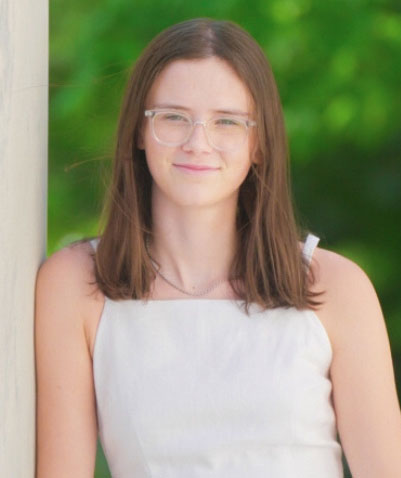
Charlotte Luster, BA
Clinical Research Coordinator
Charlotte works on a wide range of projects within the HealthSpan Lab, assisting with study recruitment and intervention, data analysis, and project development. Charlotte is passionate about the intersection between neuroscience and public health, with a particular interest in investigating the risk of TBI-associated disease among athletes competing in contact sports. She received her BA in neuroscience from Middlebury College, where she completed her thesis examining risk factors for substance use disorder. Previously, Charlotte worked as a student intern in the Neuropathology Core of the Massachusetts Alzheimer’s Disease Research Center at MGH. She plans to attend medical school in the future.
-
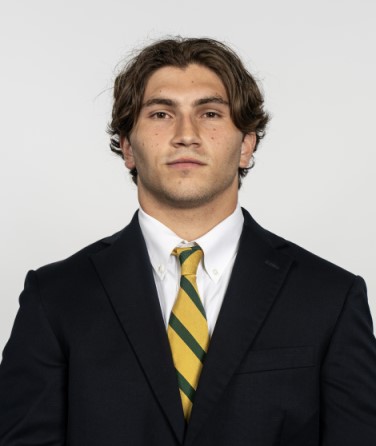
Michael Mastrodicasa, BS
Clinical Research Coordinator
Michael is a Clinical Research Coordinator in the HealthSpan Lab. He received his B.S. in Neuroscience from Baylor University, where he was also a three-year letterman on the varsity football team. While concurrently playing Division 1 football and studying neuroscience, Michael developed an interest in performance optimization and traumatic brain injuries, particularly with regards to preventative techniques and restorative medicine. Previously, he worked as a Research Assistant in the Human and Environmental Physiology Lab (HEPL) at Baylor, studying the brain's response to environmental stressors. Michael plans to attend medical school in the future and pursue a career as a physician-scientist.
-
Fenan Rassu, PhD
LeaRRn Scholar
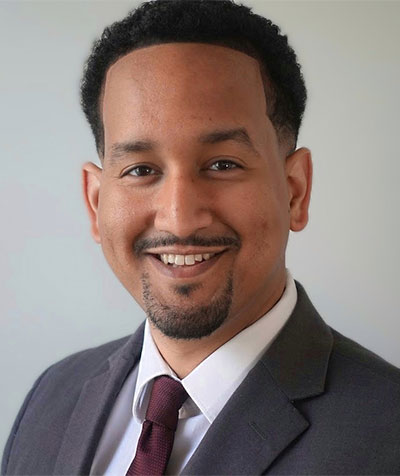
Dr. Fenan Rassu is an Assistant Professor in the Department of Physical Medicine & Rehabilitation at Johns Hopkins School of Medicine. As a LeaRRn Scholar with the Spaulding Rehabilitation Network, he collaborates with the Division of Spine Care and Pain Management on implementing patient-reported outcome measures (PROMs) in rehabilitation settings. His research examines how psychosocial determinants influence chronic pain outcomes and access to evidence-based care. Dr. Rassu has authored multiple peer-reviewed publications and presented his work at national and international conferences. He completed his PhD in Clinical Psychology at Texas A&M University, with predoctoral internship training at Baylor College of Medicine, followed by postdoctoral fellowship at Johns Hopkins School of Medicine, where he specialized in pain psychology. Through his patient care and research, Dr. Rassu works to advance access to pain management services and improve outcomes for individuals living with chronic pain.
-
HC Rhim, MD, MPH
Chief Resident Physician
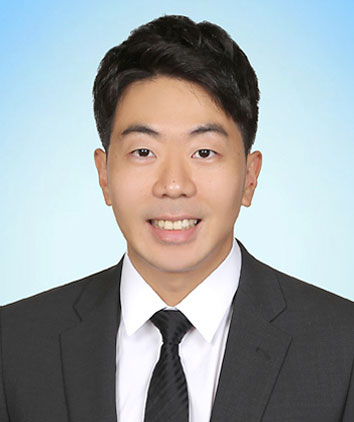
HC Rhim, MD, MPH, is a Sports Medicine Fellow at Spaulding Rehabilitation Hospital/Harvard Medical School, where he previously completed his residency in Physical Medicine and Rehabilitation and served as chief resident. He earned a major in Human Biology and a minor in Exercise Science at Cornell University, graduating with high distinction. He then returned to his home country, South Korea, to pursue medical education at Korea University College of Medicine. Before starting his residency, Dr. Rhim attended the Harvard T.H. Chan School of Public Health, where he obtained a Master of Public Health with a concentration in Quantitative Methods. His current research focuses on the epidemiology of musculoskeletal injuries and the outcomes following non-surgical interventions for such injuries.
Dr. Rhim has authored over 70 peer-reviewed articles, delivered more than 40 presentations at national and international conferences, and received best abstract awards from the British Association of Sport & Exercise Medicine Annual Conference in 2019 and the MGH Clinical Research Day in 2023. He was also a recipient of the Walter R. Frontera, MD, PhD Outstanding Researcher Award from the Department of Physical Medicine and Rehabilitation at Harvard Medical School in 2023, 2024, and 2025.
Published Research
View the most up-to-date list of publications on PubMed
Highlights
-
Cantu RC, Sills AK, Alosco ML, Arbogast KB, Bazarian JJ, Bieniek KF, Crandall JR, Iverson GL, Katz DI, Keene CD, Leddy JJ, Mack CD, McKee AC, Meehan WP, Mez J, Nowinski CJ, Okonkwo DO, Solomon GS, Stein TD, Tartaglia MC, Zafonte RD, Daneshvar DH. Prevention of concussion and long-term effects of repetitive traumatic brain injury: Unanimous consensus from the Cantu Concussion Summit. PMR. 2025 May;17(5):563-566. doi: 10.1002/pmrj.13332. Epub 2025 Mar 5. PMID: 40040623.
-
Nowinski CJ, Bureau SC, Rhim HC, Zafonte RD, Cantu RC, Daneshvar DH. Spontaneous Headshake after a Kinematic Event (SHAAKE): Evaluating the Utility of a Potential New Sign in the Diagnosis of Concussion. Diagnostics (Basel). 2024 Oct 17;14(20):2314. doi: 10.3390/diagnostics14202314. PMID: 39451636; PMCID: PMC11506366.
-
Nowinski CJ, Rhim HC, McKee AC, Zafonte RD, Dodick DW, Cantu RC, Daneshvar DH. 'Subconcussive' is a dangerous misnomer: hits of greater magnitude than concussive impacts may not cause symptoms. Br J Sports Med. 2024 Jul 1;58(14):754-756. doi: 10.1136/bjsports-2023-107413. PMID: 38719575; PMCID: PMC11228231.
- Daneshvar DH, Nair ES, Baucom ZH, Rasch A, Abdolmohammadi B, Uretsky M, Saltiel N, Shah A, Jarnagin J, Baugh CM, Martin BM, Palmisano JN, Cherry JD, Alvarez VE, Huber BR, Weuve J, Nowinski CJ, Cantu RC, Zafonte RD, Dwyer B, Crary JF, Goldstein LE, Kowall NW, Katz DI, Stern RA, Tripodis Y, Stein TD, McClean MD, Alosco ML, McKee AC, Mez J. Leveraging football accelerometer data to quantify associations between repetitive head impacts and chronic traumatic encephalopathy in males. Nat Commun. 2023 Jun 20;14(1):3470. doi: 10.1038/s41467-023-39183-0. PubMed PMID: 37340004; PubMed Central PMCID: PMC10281995.
- McKee AC, Stein TD, Huber BR, Crary JF, Bieniek K, Dickson D, Alvarez VE, Cherry JD, Farrell K, Butler M, Uretsky M, Abdolmohammadi B, Alosco ML, Tripodis Y, Mez J, Daneshvar DH. Chronic traumatic encephalopathy (CTE): criteria for neuropathological diagnosis and relationship to repetitive head impacts. Acta Neuropathol. 2023 Apr;145(4):371-394. doi: 10.1007/s00401-023-02540-w. Epub 2023 Feb 10. Review. PubMed PMID: 36759368; PubMed Central PMCID: PMC10020327.
- Daneshvar DH, Mez J, Alosco ML, Baucom ZH, Mahar I, Baugh CM, Valle JP, Weuve J, Paganoni S, Cantu RC, Zafonte RD, Stern RA, Stein TD, Tripodis Y, Nowinski CJ, McKee AC. Incidence of and Mortality From Amyotrophic Lateral Sclerosis in National Football League Athletes. JAMA Netw Open. 2021 Dec 1;4(12):e2138801. doi: 10.1001/jamanetworkopen.2021.38801. PubMed PMID: 34910152; PubMed Central PMCID: PMC8674746.
- Daneshvar DH, Yutsis M, Baugh CM, Pea RD, Goldman S, Grant GA, Ghajar J, Sanders LM, Chen CL, Tenekedjieva LT, Gurrapu S, Zafonte R, Sorcar P. Evaluating the Effect of Concussion-Education Programs on Intent to Report Concussion in High School Football. J Athl Train. 2021 Nov 1;56(11):1197-1208. doi: 10.4085/509-20. PubMed PMID: 33428746; PubMed Central PMCID: PMC8582631.
- Mez J,* Daneshvar DH,* Kiernan PT,* Abdolmohammadi B, Alvarez VE, Huber BR, Alosco ML, Solomon TM, Nowinski CJ, McHale L, Cormier KA, Kubilus CA, Martin BM, Murphy L, Baugh CM, Montenigro PH, Chaisson CE, Tripodis Y, Kowall NW, Weuve J, McClean MD, Cantu RC, Goldstein LE, Katz DI, Stern RA, Stein TD, McKee AC. Clinicopathological Evaluation of Chronic Traumatic Encephalopathy in Players of American Football. JAMA. 2017 Jul 25;318(4):360-370. doi: 10.1001/jama.2017.8334. PubMed PMID: 28742910; PubMed Central PMCID: PMC5807097. *co-lead authors